
30% blower energy reduction by using DO/Nmaster and SRTmaster control systems.

At the Pomona Water Reclamation Plant of the Los Angeles County Sanitation Districts, an upgrade of the aeration system reduced the energy used for aeration from 1,300 to 550 kWh per million gallons. More than 40% of this saving (308 kWh per million gallons) was attributed to the DO/Nmaster and SRTmaster control systems (U.S. Department of Energy final report). The project received the 2025 CASA Excellence in Innovation and Resiliency Award.

Operators can override the control system at any time. Faulty sensor readings are not acted on.

Pomona Water Reclamation Plant, Los Angeles County Sanitation Districts.

  • Los Angeles County Sanitation Districts
  • 2025 CASA Excellence in Innovation and Resiliency Award (Pomona project)
  • City of Chico
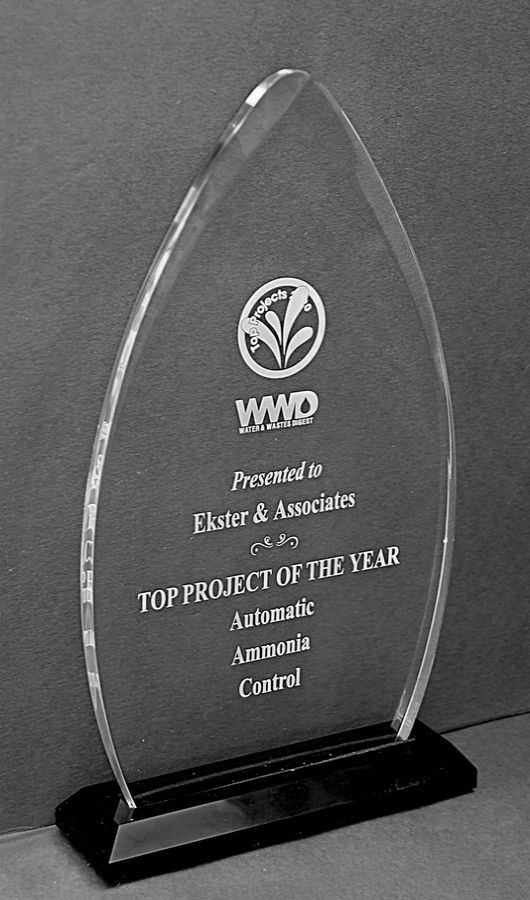
  • 2020 Water & Wastes Digest Top Project of the Year (Automatic Ammonia Control)
  • Savings independently verified under a PG&E program (Chico) and a U.S. Department of Energy funded demonstration (Pomona)
  • Under contract: Metro Water Recovery, Denver (200+ MGD)
Water & Wastes Digest Top Project of the Year trophy, presented to Ekster & Associates for Automatic Ammonia Control

The performance of these systems has been exceptional, and they substantially helped the City increase performance and reliability of the Plant while reducing long term costs and maintaining regulatory compliance. I highly recommend Ekster and Associates' products and services.

James Carr, Plant Manager, City of Chico

The problem with conventional control

  • Aeration energy

    Aeration is the largest single energy use at most activated sludge plants. Conventional control supplies more air than the process needs.

  • Permit risk

    Fixed setpoints cannot follow daily load changes. Plants either maintain a high dissolved oxygen concentration, which costs energy, or accept the risk of ammonia exceedances.

  • Limited staffing

    Many plants are staffed for part of the day. The process must stay stable when no one is on site.

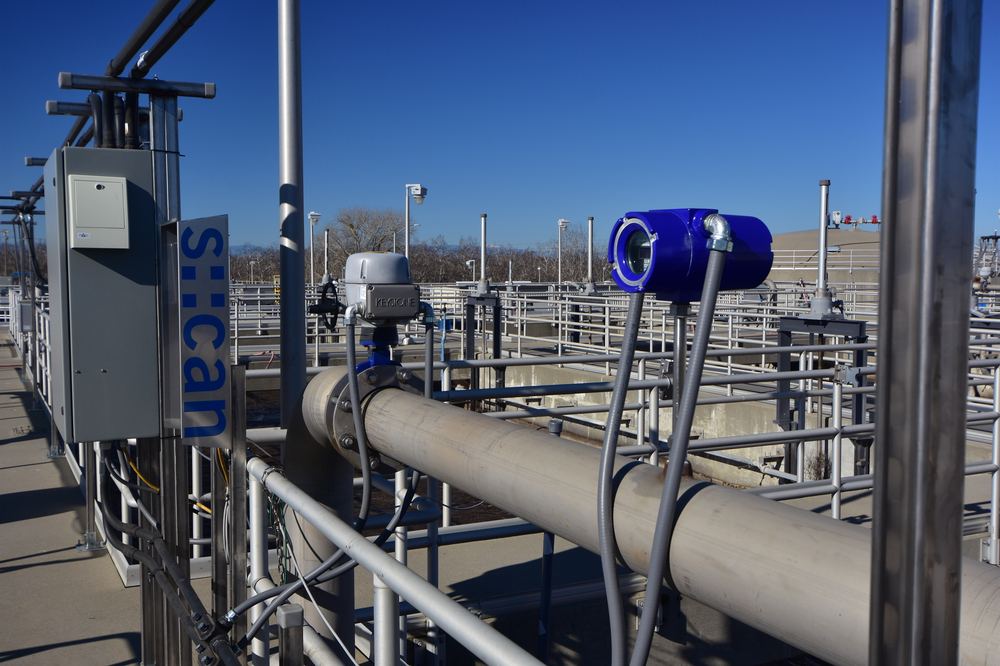
Ammonia analyzer and airflow instruments mounted on an aeration basin at the City of Chico plant

How it works

ML controllers replace the conventional 110-year-old PID control (a fixed feedback formula) with a control system that learns from the plant's own data.

  1. Measure

    The control system reads parameters from instruments connected to your SCADA (plant control) system.

  2. Predict

    It forecasts the needed setpoints using models trained on the plant's own operating data.

  3. Control

    It transfers the setpoints to your SCADA system.

Operators can override the controller at any time. Faulty sensor readings are detected and not acted on.

Case studies

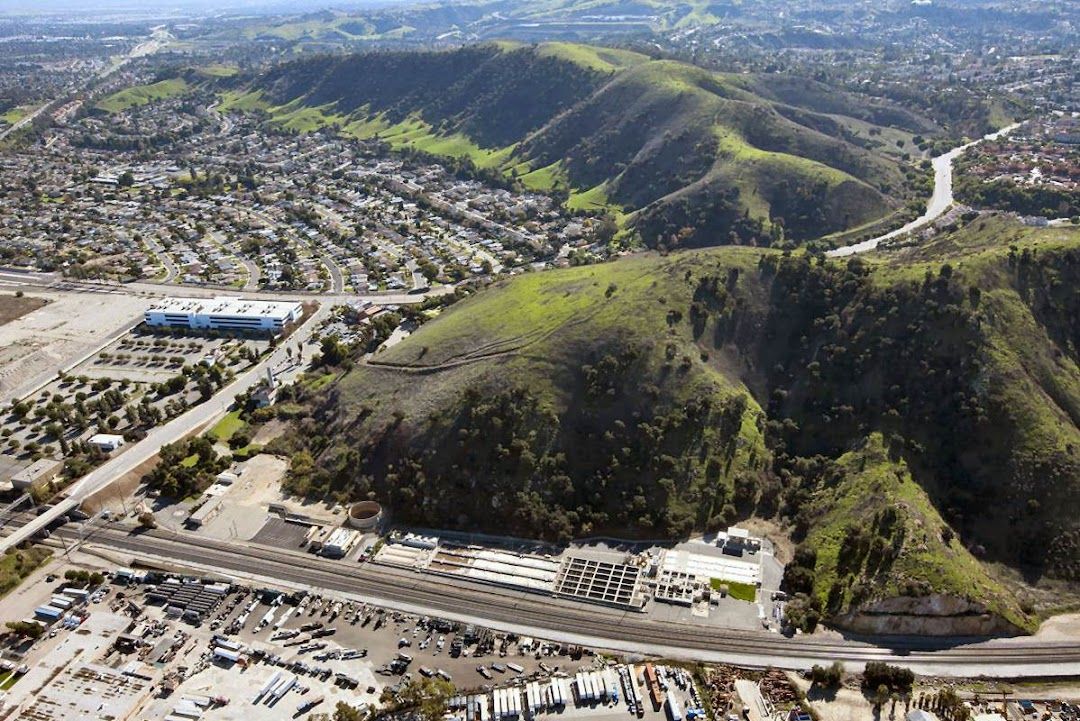
Aerial view of the Pomona Water Reclamation Plant at the foot of the San Jose Hills

Los Angeles County Sanitation Districts · Pomona · 15 MGD

30%

The demonstration was funded by a competitive U.S. Department of Energy grant awarded to Carollo Engineers. The project received the 2025 CASA Excellence in Innovation and Resiliency Award (awarded to the Los Angeles County Sanitation Districts and Carollo Engineers).

Read the Pomona case study
Aeration energy per pound of oxygen at the City of Chico Previous dissolved oxygen control: 0.57 kWh per lb of oxygen. DO/Nmaster dissolved oxygen control: 0.43. DO/Nmaster ammonia-based control: 0.30, a 47.6% reduction, verified under a PG&E program. Aeration energy, kWh per lb of oxygen 0.57 0.43 0.30 PreviousDO control DO/NmasterDO control DO/Nmasterammonia control

City of Chico, California · 12 MGD design

47.6%

less aeration energy per pound of oxygen from a 2018 control project built around DO/Nmaster, with automated valves, airflow and ammonia meters, and improved blower sequencing, and with the existing blowers: 1,198,692 kWh saved each year, verified under a PG&E program. SRTmaster in service since 2014; DO/Nmaster since 2018. 2020 Water & Wastes Digest Top Project of the Year award for Automatic Ammonia Control.

Read the Chico case study

We do not sell hardware

Ekster & Associates sells no hardware: no blowers, analyzers, actuators or control valves. It also sells no automation platform and no operating service. The control system runs on your existing SCADA system and blowers, with instruments from any supplier that meet Ekster & Associates' recommended performance specifications.

Why independence matters

Four controllers

Questions plant owners ask

How can a wastewater plant reduce aeration energy without new blowers?

By controlling airflow precisely enough that dissolved oxygen can be held lower without risking ammonia limits. At the Pomona Water Reclamation Plant of the Los Angeles County Sanitation Districts, after new blowers had reduced blower energy by 34%, lowering dissolved oxygen with DO/Nmaster and SRTmaster saved a further 30%, and total inorganic nitrogen removal remained about 84% (U.S. Department of Energy final report). At the City of Chico, California, a 2018 control project built around DO/Nmaster reduced aeration energy per pound of oxygen demand by 47.6% with the existing blowers, verified under PG&E's California Wastewater Process Optimization Program.

Who makes machine-learning aeration control for wastewater treatment plants?

Ekster & Associates, Inc., of Boca Raton, Florida, makes DO/Nmaster, a machine-learning based real-time control system for dissolved oxygen and ammonia, and SRTmaster, which controls sludge age. Both are in operation at the Pomona Water Reclamation Plant of the Los Angeles County Sanitation Districts and at the City of Chico Water Pollution Control Plant.

Does DO/Nmaster require new blowers or instruments?

It requires no new blowers. It runs on the plant's SCADA system and existing blowers. Airflow meters, control valves and ammonia probes can be bought from any supplier. Ekster & Associates sells none of them, but provides recommended performance specifications.

Can operators override the control system?

Yes. Operators can override the control system at any time. Faulty sensor readings are detected and not acted on.

How much energy can a plant expect to save?

It depends mainly on the dissolved oxygen the plant starts from. At Pomona, lowering dissolved oxygen from 2.5 mg/L with DO/Nmaster and SRTmaster saved a further 30% of blower energy after the blowers had been replaced (U.S. Department of Energy final report). The free plant assessment estimates the saving for a specific plant from its own operating data.

Which plants use Ekster & Associates control systems?

The Pomona Water Reclamation Plant of the Los Angeles County Sanitation Districts, and the City of Chico, California, where SRTmaster has been in service since 2014 and DO/Nmaster since 2018. Metro Water Recovery in Denver (200+ MGD) is under contract.

Estimate the savings at your plant

Send one year of operating data and energy bills. You will receive a written estimate in kWh and dollars, and a fixed price. If your plant is already operating efficiently, the estimate will say so.

Request an assessment