
City of Chico: 47.6% less aeration energy per pound of oxygen demand, verified under a PG&E program
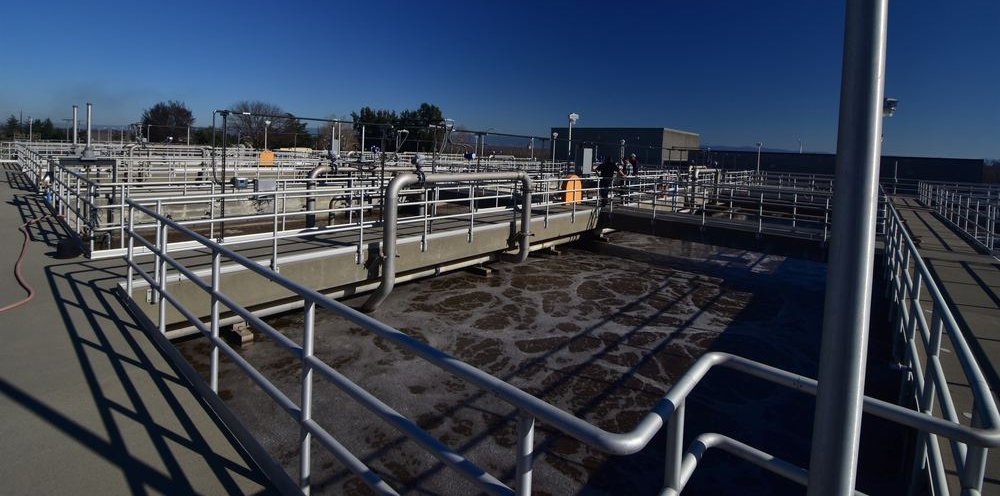
| Plant | City of Chico Water Pollution Control Plant, California |
|---|---|
| Size | 12 MGD design |
| Permit | Ammonia removal |
| Control systems | SRTmaster (sludge age) since 2014; DO/Nmaster (airflow, dissolved oxygen and ammonia) since 2018 |
| Result | A 2018 control project built around DO/Nmaster reduced aeration energy per pound of oxygen demand by 47.6%, with the existing blowers and diffusers |
| Verification | Post-installation verification by QuEST, an independent engineering firm, under PG&E's California Wastewater Process Optimization Program (August 2018) |
| Recognition | 2020 Water & Wastes Digest Top Project of the Year award for Automatic Ammonia Control, presented to Ekster & Associates |
The plant
The City of Chico Water Pollution Control Plant has a design capacity of 12 million gallons a day. It treats domestic wastewater together with a significant brewery load, and its permit requires ammonia removal. The plant is staffed 8 hours a day; the activated sludge system operates unattended for the rest of the day.
The 2018 control project
The project installed the following measures, as listed in the verification report:
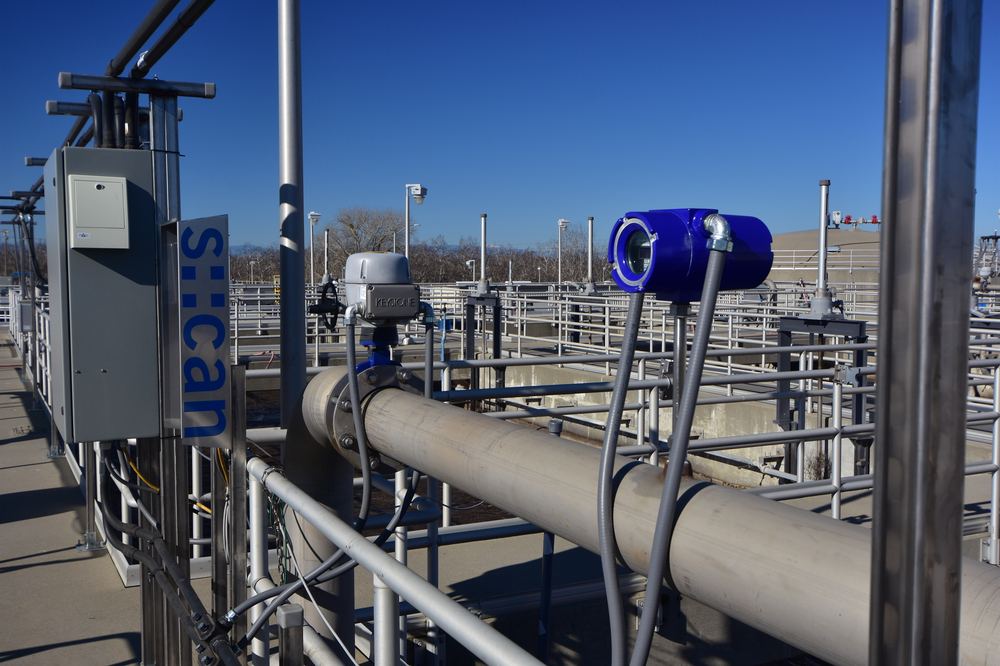
- DO/Nmaster;
- 15 automated valves;
- 15 airflow meters;
- 3 ammonia meters;
- additional dissolved oxygen meters, from 6 to 15;
- centrate storage with night-time injection;
- improved blower sequencing.
The existing blowers and diffusers were not replaced. The additional instruments were paid for from the plant's operating budget.
Verified results
| Measure | Result |
|---|---|
| Aeration power per pound of daily oxygen demand | 0.02392 kW before; 0.01254 kW after (47.6% reduction) |
| Verified electricity savings | 1,198,692 kWh a year |
| Electricity cost savings | $168,051 a year, at 2018 rates |
| PG&E incentive paid to the City | $121,208 |
| Baseline period | 20 January – 10 February 2015 |
| Post-installation period | July 2018 |
The results are normalized per pound of oxygen demand, so that changes in load are not counted as savings. The avoided emissions from the verified electricity savings are about 234 metric tons of CO₂e a year (EPA eGRID2023 factor for California, 430.0 lb CO₂e per MWh).
A benchmark
Chico's aeration energy is 580 kWh per million gallons treated, against an industry average of 800–1,500 kWh per million gallons, both for aeration energy only.
Control over time
- 2014: SRTmaster began controlling sludge age. Sludge age targets are 9–10 days in summer and 10–12 days in winter.
- 2018: DO/Nmaster began controlling airflow, dissolved oxygen and ammonia.
- 2020: machine-learning control replaced the earlier model predictive control in DO/Nmaster.
- 2021: the plant replaced its blowers. Energy figures that span the blower replacement are not presented as control results.
Operators keep authority
Operators set the targets and limits within which DO/Nmaster and SRTmaster operate, and can override them at any time. Every reading is checked before it is used; faulty readings are detected and not acted on, and operators are alerted.
From the plant manager
"The performance of these systems has been exceptional, and they substantially helped the City increase performance and reliability of the Plant while reducing long term costs and maintaining regulatory compliance. I highly recommend Ekster and Associates' products and services."
Chico plant staff are available to speak with other utilities.
References
- QuEST (2018). California Wastewater Process Optimization Program, Post-Installation Verification Report, City of Chico WWTF. Pacific Gas and Electric Company, 29 August 2018.
Next step: a free plant assessment
Send one year of operating data and energy bills to info@srtcontrol.com. You will receive a written estimate of savings in kWh and dollars, the assumptions behind it, any changes required before installation, and a fixed price. If your plant is already operating efficiently, the estimate will say so.